
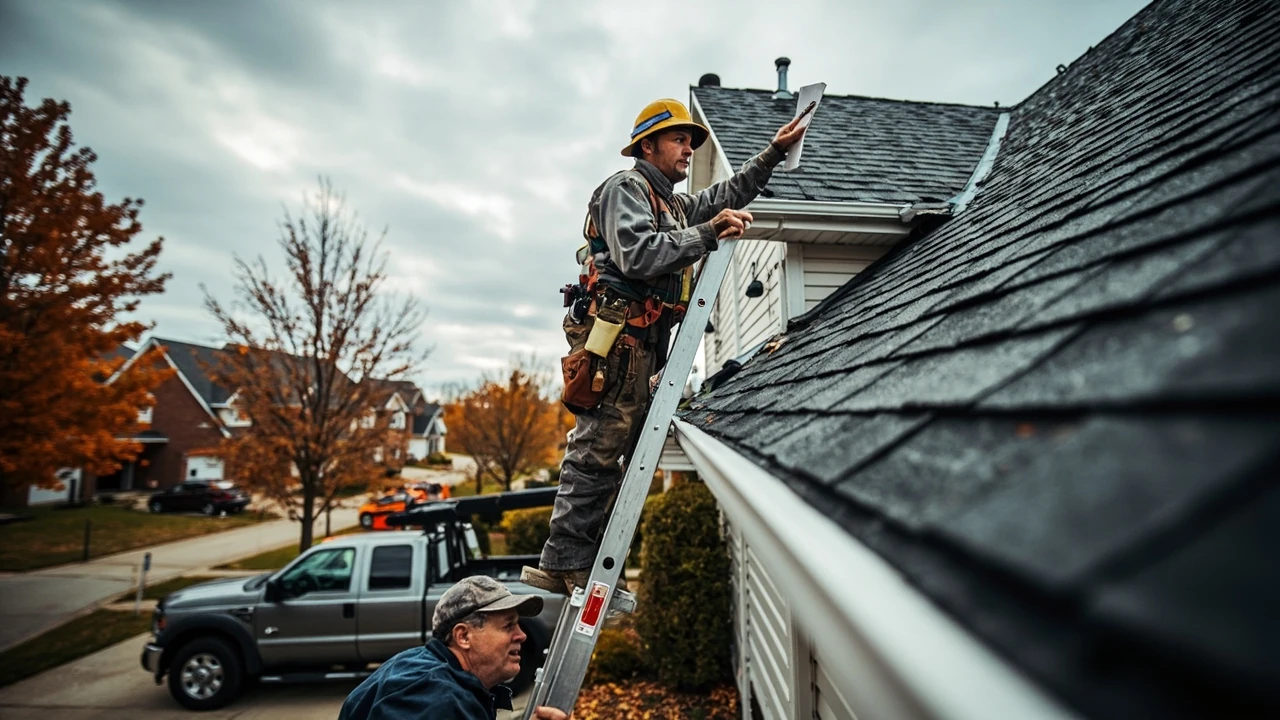
Roof inspection in Indianapolis: what a thorough check covers
A spring hailstorm slides east across Marion County, and the next morning a homeowner in Meridian-Kessler notices three dark granules at the base of the downspout. Across town in Geist, a buyer is two weeks from closing and the inspector just flagged soft decking near the chimney. Neither problem started as an emergency, but both situations usually end with the same question: what does a complete roof inspection in Indianapolis actually look at, and what should it tell the homeowner about next steps?
A roof inspection is a structured visual and physical check of the roofing system, from the shingles or membrane on top down to the attic and interior ceilings. In central Indiana, that check has to account for freeze-thaw cycles, spring and summer storms, high winds off the open plains, and the age profile of homes built in every decade since the 1940s. The goal is simple: separate normal wear from damage that will shorten the life of the roof, and document the condition clearly enough to guide repair, maintenance, or an insurance claim.
This article walks through what a proper Indianapolis roof inspection includes, when it makes sense to schedule one, what it typically costs, and how to read the report. It also covers the difference between a general home inspection and a dedicated roof inspection, which is a distinction that often surprises homeowners in the middle of a real estate transaction.
What a roof inspection actually covers
A roof inspection is not a quick glance from the driveway. It is a step-by-step survey of every layer that keeps water out of the building, paired with a look at the supporting structure underneath. Most professional inspections in the Indianapolis area follow a similar structure, even when the property is a 1920s bungalow in Irvington or a 1990s two-story in Carmel.
The exterior portion of the inspection focuses on the roof covering, the edges, and every place the roof is penetrated by something else. The interior portion focuses on the attic, the insulation, and any evidence that water, air, or pests have made it past the outer shell. Together those two halves form the picture a homeowner or buyer needs.
Exterior components most inspectors examine
- Roof covering: asphalt shingles, metal panels, slate, tile, or a flat-roof membrane. The inspector looks for missing, curled, cracked, or blistered shingles, exposed fasteners on metal, and seam separation on membranes.
- Flashing: thin metal pieces that seal transitions around chimneys, vent stacks, skylights, dormers, and wall-to-roof junctions. Bad or rusted flashing is one of the most common sources of leaks.
- Ridge and soffit ventilation: the inspector confirms that intake vents at the eaves and exhaust vents at the ridge are clear and that airflow is not blocked by insulation.
- Valleys, hips, and ridges: these joints carry a lot of water and are checked for proper overlap, sealed seams, and signs of channeling.
- Roof edges and drip edge: the inspector checks for proper overhang into the gutter, secure fastening, and any rot on the fascia behind the edge metal.
- Gutters and downspouts: although technically part of the drainage system, gutters are evaluated because backflow can damage the edge of the roof and the soffit.
Interior and structural checks
- Attic decking: from inside the attic, the inspector looks at the underside of the roof sheathing for staining, dark spots, and soft spots that suggest moisture or rot.
- Insulation condition: compressed, wet, or missing insulation often points to an air or moisture problem that is also affecting the roof above.
- Ventilation performance: temperature and moisture readings inside the attic can show whether the ridge and soffit system is moving enough air.
- Interior ceilings and walls: stains around can lights, peeling paint near exterior walls, and discoloration in upstairs closets are common signs of a slow roof leak.
- Structural indicators: sagging ridge lines, uneven roof planes, and visible deflection between rafters can point to age, snow load damage, or a long-standing leak.
How a roof inspection in Indianapolis differs from a general home inspection
Buyers in Indianapolis routinely order a full home inspection during the option period. That inspection covers the roof, but only at a level of detail appropriate to a single visit to a property the buyer does not yet own. A dedicated roof inspection goes deeper and is performed by a roofing contractor or a roof-specialist inspector rather than a generalist.
| Item | General home inspection | Dedicated roof inspection |
|---|---|---|
| Who performs it | Multi-system home inspector | Roofing contractor or roof specialist |
| Roof coverage | Visual from eaves or with a drone; one to two pages of notes | On-roof walk when safe, attic review, photo report, life expectancy estimate |
| Tools used | Binoculars, drone, flashlight | Moisture meter, infrared camera in some cases, harness and ladder, flashlight |
| Deliverable | Pass / fail flag, general life remaining | Component-by-component condition report, repair scope, written estimate if needed |
| Best use | Sale contingency decision | Insurance claim, maintenance plan, storm damage follow-up |
The two are not interchangeable. A general home inspection is a screening tool. A dedicated roof inspection is the document an insurance carrier, a buyer trying to negotiate repairs, or a homeowner planning a replacement is going to need.
Why Indianapolis roofs need regular inspection
Indianapolis sits in a part of the Midwest where the weather stresses a roof in several different ways over a single year. The freeze-thaw cycle between November and March is the most consistent source of damage, because water that seeps under a shingle during a January thaw expands when it refreezes and slowly pries the shingle loose. That same pattern loosens flashing around chimneys and step flashing along sidewalls.
Spring is the second stress event. Severe thunderstorms routinely produce hail and straight-line winds strong enough to lift shingle tabs, dent metal, and push water backward under ridge caps. Tornado activity in central Indiana is less frequent than in counties to the south, but the wind events that fall short of a tornado still cause real roof damage. Summer heat, often in the upper 80s and 90s, accelerates shingle aging and dries out sealant strips along the eaves.
Because of that pattern, a sensible inspection schedule for an Indianapolis homeowner is:
- Once a year as routine maintenance, ideally in late fall after leaf drop or in early spring before storm season.
- After any hail event with stones larger than one inch, even if no leak is visible from inside.
- After any wind event with sustained winds above 50 mph or a reported tornado nearby.
- Before listing a home for sale, to give the seller a clean report or a list of repairs to make.
- Before the option period ends on a purchase contract, when a buyer wants a more specific roof opinion than the general inspection provides.
What an Indianapolis roof inspection report should include
A good report is more than a thumbs-up or a recommendation to replace the roof. It is a written record that the homeowner, a buyer, or an insurance adjuster can use later. The format varies by provider, but the content should hit most of the points below.
| Section | What it should describe |
|---|---|
| Property and roof information | Address, approximate age of roof, roof type, slope, and approximate square footage. |
| Exterior condition | Covering condition, flashing, ridge and hip lines, valley treatment, edge metal, penetrations. |
| Interior and attic condition | Decking condition, insulation, ventilation, moisture readings, signs of active or past leaks. |
| Photo documentation | Labeled photos of each area discussed, including any problem spots and the overall roof. |
| Life expectancy estimate | Remaining useful life in years, with the assumptions behind the estimate. |
| Recommended actions | Repairs, maintenance, or replacement, with priority and approximate cost ranges. |
| Limitations | Anything the inspector could not see, such as snow cover, locked attic access, or unsafe slopes. |
The limitations section is more important than many homeowners realize. An inspector who cannot walk a steep slate roof in winter because of ice, or who cannot see a flat section over a garage addition because of access, has to say so. A report that does not list those limits is not complete.
Cost and what affects the price
Inspection pricing in the Indianapolis market varies with the size of the roof, the pitch, the level of detail in the report, and whether the inspector is being hired for a real estate transaction or for routine maintenance. The ranges below reflect typical local pricing for residential properties and are useful for budgeting, not for quoting a specific job.
| Service type | Typical price range | What affects the price |
|---|---|---|
| Standalone maintenance inspection | Often free to low cost; commonly $0 to $150 | Whether the inspection is paired with an estimate, and whether the contractor is bidding on the resulting work. |
| Detailed written report with photos | Often $150 to $350 | Roof size, pitch, accessibility, and whether a drone or moisture meter is used. |
| Pre-listing or buyer-side specialty report | Often $200 to $500 | Scope, turnaround time, and the level of insurance-claim documentation required. |
| Insurance claim inspection | Often free when paired with a restoration contract | Whether the contractor is taking on the repair or replacement work after the claim. |
A free inspection tied to a sales pitch is common in the roofing industry and not necessarily a problem, as long as the inspector documents findings honestly and the homeowner understands the relationship. A separate paid inspection is appropriate when the homeowner wants a neutral opinion for an insurance claim, a real estate negotiation, or a long-term maintenance plan.
How to prepare for a roof inspection
Homeowners can do several things in the days before an inspection that make the visit more useful and shorter.
- Clear the driveway and gate so the inspector can set up a ladder safely and park a vehicle with gear.
- Unlock attic access and move any stored items away from the attic hatch. The interior half of the inspection depends on this step.
- Note any known concerns, such as a ceiling stain that appeared last summer, and pass them to the inspector at the start of the visit.
- Keep pets inside during the visit, especially if the inspector will be on the roof above the yard.
- Have the roof’s age and any prior repair paperwork available, if possible. A simple invoice from a 2018 repair often changes how the inspector frames the current condition.
If the inspection is part of a real estate transaction, the buyer’s agent should also confirm that the seller has granted roof and attic access ahead of the appointment. Access problems are one of the most common reasons an inspection report arrives with a long list of limitations.
Reading the report: what matters and what is noise
Two homeowners can receive inspection reports on the same age of roof in the same neighborhood and come away with very different impressions, because the way the report is framed varies widely. A few points help separate meaningful findings from filler.
- Focus on the flashing, not just the shingles. Most leaks start at flashing, not at the field of the roof. A roof with worn shingles and good flashing is often a better candidate for repair than a roof with great shingles and bad flashing.
- Treat the attic findings as ground truth. What the inspector sees from inside the attic, such as stained decking, rusted nail tips, or daylight at a penetration, is the strongest single signal of how the roof is actually performing.
- Be cautious with remaining-life estimates. A remaining life of “5 to 10 years” is a common but weak statement. The useful number is whether the roof has one, two, or three specific repair needs that, if addressed, would extend its useful life.
- Read the limitations section. If the inspector did not walk the roof because of pitch, did not enter the attic because of access, or could not see the north slope because of snow, those gaps are real and should be priced into any decision.
When an inspection turns into a repair or a claim
Not every inspection ends with a recommendation to do work. The most common outcomes in Indianapolis are:
- No action needed: the roof is in good condition and the homeowner is told to recheck in a year or after the next major storm.
- Targeted repair: the inspector recommends specific work, such as reflashing a chimney, replacing a section of valley, or sealing vent boots. Cost is usually a few hundred to a few thousand dollars.
- Storm damage documented: the inspection is paired with a photo report that supports a homeowner’s insurance claim. The contractor often meets the adjuster on site to walk the roof together.
- Replacement recommended: the roof is at the end of its useful life or has damage too widespread to repair. A written estimate is provided and the conversation moves to materials, warranty, and timing.
Homeowners should feel comfortable asking the inspector to explain why the recommendation falls into one of those categories rather than another. A clear answer in plain language, with photos, is a good sign. A vague answer with pressure to commit on the spot is not.
Choosing a roof inspection provider in Indianapolis
The Indianapolis roofing market is large enough that a homeowner has many options, and crowded enough that the quality of those options varies. A short checklist helps narrow the field.
- Local presence. A contractor with a physical address and a track record in the Indianapolis area is more likely to be available for follow-up if a problem appears after the inspection.
- Written report with photos. A report that includes labeled photographs is easier to share with an insurance carrier, a buyer’s agent, or a roofer bidding on repairs.
- Manufacturer certifications. Certifications from major shingle manufacturers indicate that the contractor has met specific training and insurance requirements, and that their workmanship warranty is recognized by the manufacturer.
- Clear scope. The proposal should spell out what will be inspected, what will be delivered, and what is excluded. Verbal-only agreements around an inspection are a red flag.
- Willingness to be on-site with an adjuster. For storm damage, the inspector’s willingness to meet the insurance adjuster is one of the most useful services a contractor can provide.
Homeowners can also use a resource like a free, no-obligation roof inspection in Indianapolis to start with a written condition report before deciding whether to invest in a more detailed paid inspection. That kind of initial review is especially helpful right after a storm, when the question is whether there is enough damage to involve an insurance carrier at all.
Roof inspection and home value in Indianapolis
An Indianapolis roof replacement is a significant project, often running into five figures, and a documented inspection is one of the few ways a homeowner can plan for that expense rather than be surprised by it. Buyers also use inspection reports to negotiate credits at closing, and sellers use pre-listing inspections to avoid surprises during the buyer’s option period.
Two practical examples from the local market:
- A 1998-built two-story in Fishers with original shingles is approaching the end of a typical 25- to 30-year asphalt shingle life. A pre-listing inspection documents the condition, allows the seller to either replace the roof or negotiate a credit, and removes a common source of deal friction.
- A 1962 ranch in Perry Township with a flat-roof addition over the original garage has two different roof systems of different ages. A single inspection report can document both, which is more useful than a generic statement about “the roof” when the buyer is evaluating the property.
None of this requires a buyer or seller to overpay. The point of the inspection is to convert an unknown into a known, and to put the right information in front of the right people before a decision has to be made.
Safety and limitations of a roof inspection
Not every roof is safe to walk, and not every homeowner should expect the inspector to do so. Steep pitches, wet surfaces, snow cover, and brittle slate or tile are all reasons an inspector may rely on a drone, a pole camera, or a view from a window instead of an on-roof walk. That choice is a safety decision, not a shortcut, and a homeowner who pushes back on it is taking on unnecessary risk.
Inside the home, the inspector should also flag any condition that makes attic access unsafe, such as a sagging ceiling, exposed wiring near the hatch, or a stored collection that blocks the path. A reasonable inspector will reschedule rather than force access in those cases.
Putting the inspection on a maintenance calendar
Once the inspection is complete, the report becomes the basis for a small maintenance calendar. Most Indianapolis homes can be kept in good shape with the following rhythm:
- Spring: visual check from the ground after storm season, gutter cleaning, removal of debris from valleys.
- Fall: full professional inspection every other year, or every year for roofs over 15 years old, plus a gutter clean after leaf drop.
- After any major storm: visual check and a call for a professional inspection if anything looks off, even from the ground.
- Every five years: reseal exposed fasteners on metal roofs, check sealant on vent boots, and refresh flashing caulking where appropriate.
A roof that is checked on this rhythm rarely surprises the homeowner, and surprises are where most of the expensive roof problems start.
A short pre-inspection checklist for Indianapolis homeowners
Before scheduling a roof inspection in Indianapolis, run through this short list so the visit produces the most useful report possible.
- Find the age of the roof from any paperwork, the previous owner’s notes, or the most recent repair invoice.
- Check the attic hatch and clear a path to it.
- Note any interior stains, even old ones, and when they first appeared.
- Walk the perimeter of the home and look up at the roof edges, valleys, and chimney.
- Look in the gutters at the downspout exits for an unusual amount of shingle granules.
- Decide whether the inspection is for routine maintenance, a real estate transaction, or a possible insurance claim, and share that with the inspector up front.
That last step is the one that changes the shape of the report. A maintenance inspection and an insurance inspection look at the same roof but ask different questions of it, and the inspector can target their time accordingly when the goal is clear from the start.
Frequently asked questions
How often should a roof be inspected in Indianapolis?
A typical Indianapolis roof should be inspected at least once a year, ideally in late fall or early spring, and after any major hail or wind event. Roofs over 15 years old benefit from inspections every six to twelve months because the materials are closer to the end of their useful life.
What is the difference between a roof inspection and a home inspection?
A home inspection is a multi-system review of an entire property, usually as part of a real estate transaction, and covers the roof at a high level. A dedicated roof inspection is performed by a roofing specialist, focuses only on the roof, includes on-roof access when safe, and produces a component-by-component report that can support an insurance claim or a maintenance plan.
Do I need a roof inspection before listing my house?
A pre-listing roof inspection is a useful step in Indianapolis, where the median roof age often lines up with sale timing. The report either gives the seller confidence to list as-is or produces a list of small repairs that can be made before the buyer’s inspector arrives, reducing the chance of last-minute negotiations.
How long does a roof inspection take?
A typical single-family inspection in Indianapolis takes 45 to 90 minutes, including the exterior walk, the attic visit, and a short debrief with the homeowner. Larger homes, complex rooflines, and the use of a drone or infrared camera can extend the visit.
Can a roof inspection identify hail damage?
Yes. A trained inspector looks for the specific marks hail leaves on asphalt shingles, such as bruised or displaced granules, exposed mat, and soft spots that do not spring back. Because hail damage can be easy to miss from the ground, the inspection should include on-roof access when the slope is safe to walk.
Is a free roof inspection reliable?
A free inspection can be reliable when the inspector documents the roof in writing with photos and is willing to stand behind the report. The free model is common because the inspection is paired with an estimate for repair or replacement. The homeowner should still ask for a written report and read the limitations before committing to any work.
What does a roof inspector do if the roof is too steep or unsafe to walk?
Inspectors in Indianapolis use drones, pole-mounted cameras, or visual inspection from a ladder and window when a roof is too steep, wet, or otherwise unsafe. The report should describe the method used and note any area that could not be fully reviewed so the homeowner knows the limits of the findings.
Will a roof inspection help with an insurance claim?
Yes. A photo-documented inspection that identifies the date and pattern of storm damage is one of the strongest pieces of evidence a homeowner can bring to an insurance carrier. Many roofing contractors will also meet the adjuster on site to walk the roof together, which usually produces a more accurate claim outcome.
How do I know if my Indianapolis roof is at the end of its life?
Common signs include widespread granule loss, shingles that curl or cup, exposed or rusted nail heads, soft decking, repeated leaks in different areas, and visible daylight in the attic through the roof boards. A professional inspection is the right way to confirm the finding and decide between repair and replacement.
Can I inspect my own roof instead of hiring a professional?
A homeowner can do a useful visual check from the ground and from inside the attic, and that is a reasonable part of routine maintenance. A professional inspection adds on-roof access, moisture measurement, photo documentation, and a written report, and is the right choice before any repair decision, real estate transaction, or insurance claim.
Leave a Reply