
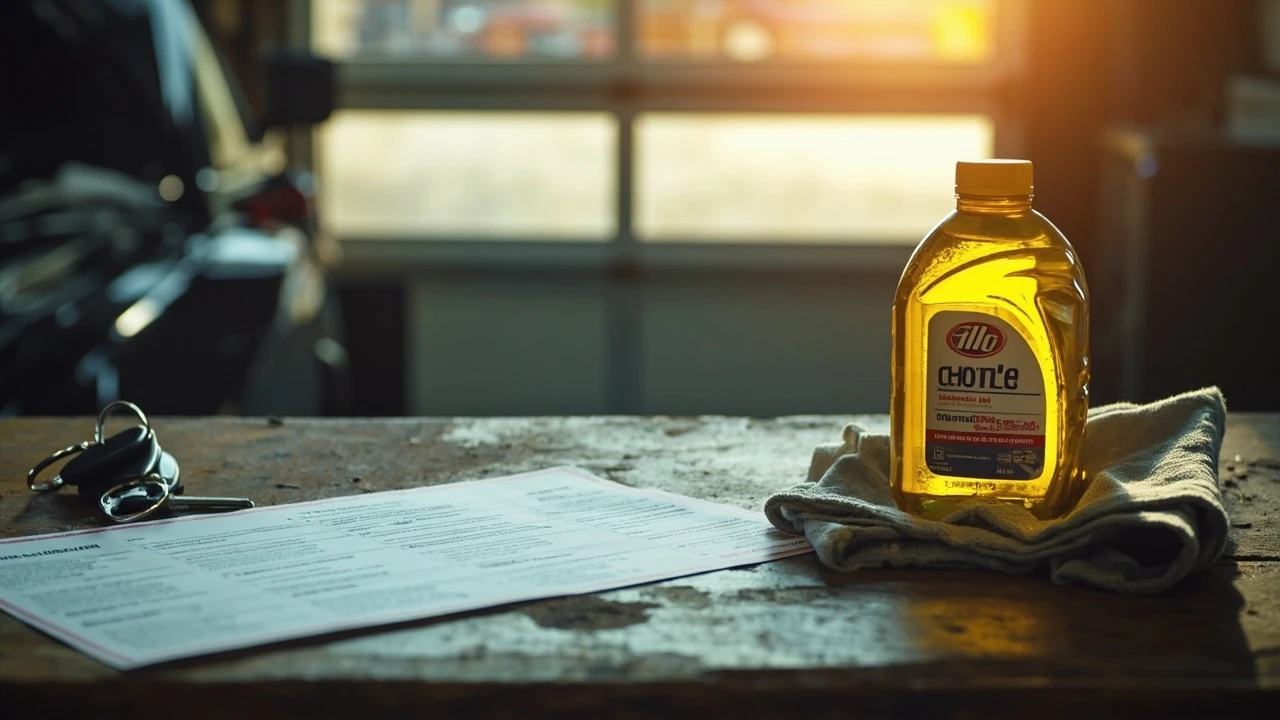
Oil change coupons: how to find, stack, and actually use them
A full synthetic oil change at a quick-lube shop can run anywhere from sixty to one hundred and twenty dollars, and dealership service centers often charge even more. That is why the phrase oil change coupons gets searched millions of times a year by drivers who simply want the same job done for less. The trouble is that not every printed deal, app offer, or mailed flyer is actually a good deal once you read the fine print, and some restrictions can quietly void parts of your service warranty.
This guide walks through how oil change coupons actually work, where the reliable ones tend to come from, what the restrictions usually mean, and how to combine offers legally without compromising the service you receive. The goal is to leave with a practical checklist you can use the next time your maintenance reminder pops up.
What counts as an oil change coupon
An oil change coupon is a written or digital offer that reduces the price of a routine oil and filter service in exchange for a specific commitment from the customer. In practice, that commitment usually means presenting the offer at the right location, booking within a certain window, or accepting a particular oil grade. Most offers are issued by a single shop or chain and are honored only at participating locations.
The phrase covers a wider range of deals than many drivers realize. A simple dollar-off coupon, a percentage discount, a bundled package that includes tire rotation or a multi-point inspection, and even a manufacturer rebate for using a specific oil brand can all fall under the same umbrella. Because the term is broad, the savings on the same vehicle can vary dramatically depending on which offer a driver chooses.
Where oil change coupons usually come from
Most oil change coupons come from one of five places, and the reliability of the offer depends a lot on who issued it. The table below summarizes the main sources and what they typically deliver.
| Source | Typical offer | What to watch for |
|---|---|---|
| Quick-lube chains | $10–$30 off a conventional or synthetic blend change, or a fixed price like $29.99 | Oil grade locked in, upcharges for synthetic, filter upgrades, and disposal fees |
| Tire and auto service centers | Free inspections bundled with an oil change at a discount | Inspections may lead to upsold services, and “free” inspections can still cost time |
| Dealerships | Mailer or app offers around $40–$80 off scheduled maintenance | Often requires a service loaner booking, scheduled appointment, and OEM parts only |
| Oil brand and manufacturer rebates | $10–$25 prepaid card when you buy a specific oil grade and change interval | Submission deadlines, proof of purchase rules, and exclusions for commercial vehicles |
| Insurance, club, or membership perks | Discounts bundled with roadside, rental, or travel benefits | You may have to use a network shop to keep the membership value intact |
Quick-lube chains and tire centers publish new coupons roughly every two to four weeks. Dealership mailers usually follow a quarterly schedule tied to service campaigns. Manufacturer rebates tend to appear around spring and fall, when many drivers plan long trips.
How to read the fine print on an oil change coupon
The discount on the front of the offer is rarely the final number on your invoice. A useful exercise is to read the offer twice: once for the headline, and once for the conditions. The second pass usually reveals three or four important limits that change the value of the deal.
Look first for the oil grade. Most chain offers apply to conventional oil at a certain viscosity, usually 5W-30 or 5W-20. If your owner manual calls for full synthetic, the coupon still works but the shop will charge the difference between conventional and synthetic. That difference can wipe out the savings entirely on some vehicles.
Second, look at the filter allowance. Many coupons include a “standard oil filter” at no extra cost. Premium filters for high-efficiency or extended-drain vehicles often cost more, and the upgrade fee can be ten to twenty-five dollars. The offer usually spells this out as a line item on the work order.
Third, scan for environment and disposal fees, shop supplies, and taxes. In some states these are mandatory and cannot be discounted. In others they can be reduced, but the coupon may state explicitly that they are excluded from the offer.
Finally, check the expiration date and the location clause. “Participating locations only” is a standard phrase, and the list of participating shops can shrink without notice. A coupon that looks generous can lose all of its value if the nearest participating location is forty miles away.
How much drivers actually save with oil change coupons
The savings depend on the type of oil your vehicle needs and how often you service it. The figures below are based on commonly published offer ranges and typical national averages, not on any single source. Use them as a planning estimate, then check the offers in your area for real numbers.
| Vehicle oil requirement | Average cash price (no coupon) | Typical coupon discount | Realistic price with coupon |
|---|---|---|---|
| Conventional, small sedan | $45–$65 | $10–$20 off | $25–$50 |
| Synthetic blend, mid-size SUV | $70–$95 | $15–$25 off | $50–$75 |
| Full synthetic, European or luxury | $110–$160 | $20–$40 off | $85–$135 |
| High-mileage or specialty synthetic | $120–$180 | Limited offers, often $10–$25 off | $105–$160 |
The same vehicle can land at either end of the range depending on the coupon, the oil grade, and whether the shop also performs a courtesy inspection. The wider the synthetic requirement, the more important it is to read the grade language carefully.
Can you stack oil change coupons with other offers
Stacking means combining more than one discount on the same service. The rules around it vary, and they are usually spelled out in the terms of each individual offer.
- Same shop, two coupons: most chains allow only one coupon per vehicle per visit. Presenting two will usually trigger the higher-value offer only, with the smaller one voided.
- Manufacturer rebate plus shop coupon: this combination is usually allowed. You pay the discounted price at the shop, then submit a receipt to the oil brand for a prepaid card or check.
- Membership discount plus shop coupon: clubs like AAA often have relationships with specific chains, and those partnerships usually state whether the member price and a printed coupon can be combined. The safe assumption is that they cannot.
- Credit card rewards plus shop coupon: rewards earned on the transaction are almost always allowed, because the issuer does not care what price you paid. The issuer only cares that the merchant code matches the category.
If you are unsure, ask the service writer to read the offer terms with you. A quick thirty-second check is cheaper than an awkward argument at the cash register.
When oil change coupons are not worth using
There are situations where a coupon can cost more than it saves, even when the math looks reasonable. The first is when the coupon pushes you into a shop that uses a lower oil grade than your owner manual recommends. A wrong viscosity can shorten engine life, and no discount makes up for an engine replacement.
The second is when the coupon is tied to a long upsell pitch. Some shops advertise a low price on an oil change and then use the service window to push fuel system cleanings, cabin air filter replacements, and transmission flushes. If the cumulative upsell exceeds the savings, the coupon has not helped.
The third is when the coupon excludes the synthetic oil your warranty requires. Many newer vehicles specify full synthetic at a specific grade, and using a different oil can complicate a future warranty claim. A coupon that forces a downgrade is rarely a good trade.
The fourth is when the offer is older than the posted expiration date. Some shops honor expired coupons as a courtesy, but most will not, and presenting a stale offer in a busy bay can waste time and lead to a higher final bill.
How to find current oil change coupons near you
Finding the right offer takes a bit of routine. Most drivers who consistently save on oil changes run the same simple loop every two to three months.
- Check the website of the three or four shops closest to your home and work. Many chains publish printable and digital coupons on a dedicated offers page that is updated monthly.
- Sign up for the email and text lists at the shops you actually use. The most generous coupons often go to the subscriber list first, sometimes two weeks before they appear publicly.
- Open the chain’s mobile app, if one exists, and enable location-based offers. App coupons sometimes unlock a higher discount than the printed mailer.
- Look at your mailbox. Local tire centers and dealerships still send printed coupons, and the offer is usually honored even if you arrived without a printed copy, as long as you mention it.
- Check the oil brand rebate page, especially if your next change is due within a few weeks. Rebates cycle on a quarterly schedule and are easy to miss if you check only once a year.
You can also look at the official coupons page for a well-known chain. For example, Meineke’s Phoenix location publishes a current list of service coupons that includes oil change discounts along with brake, tire, and exhaust specials, with restrictions like state exclusions and service tier requirements listed clearly. Reading a page like that in full is a good way to learn what kinds of restrictions appear on real offers, even if you do not live in that city.
Oil change coupons and your vehicle warranty
A common concern is whether using a coupon can void any portion of the powertrain warranty. The short answer is that the discount itself does not void a warranty. The warranty is tied to the work performed, the parts installed, and the oil specifications recorded on your service history.
To keep the warranty intact, the shop should use oil and a filter that meet the standards listed in your owner manual, record the mileage and date on the receipt, and document any additional services performed. As long as those steps happen, the price you paid has no effect on the warranty at all.
That said, a warranty can be affected if the shop installs a substandard part, omits a required service step, or uses a viscosity that is clearly outside manufacturer recommendations. If the offer is so aggressive that the shop has to cut corners to make a profit, the savings are not worth the risk.
How to use oil change coupons at the shop
Bringing the coupon into the shop is the easy part. Getting full value from it is mostly a matter of preparation. The list below covers the practical steps that matter most.
- Bring the offer in a form the shop can scan or read clearly. Screenshots on a phone work for most chains, but small shops sometimes prefer a printout.
- Confirm the oil grade and filter type with the service writer before the car goes into the bay. A short conversation here prevents an upgrade fee from appearing on the final invoice.
- Ask whether any additional services are included, such as a tire rotation, battery test, or fluid top-off. These are often bundled but not always advertised.
- Request a printed estimate with the coupon applied. This is the single best way to avoid surprises when the final invoice is presented.
- Keep the receipt and the coupon together in a folder or a photo album. If a warranty question ever comes up, having the documents in one place saves a lot of time.
Many shops will also keep a digital record of the offer in their system, especially if you are a repeat customer. A short note about which coupon you used at the previous visit can help the next service writer apply the right discount without prompting.
Online and digital oil change coupons
Digital offers have largely replaced printed ones over the last several years. A digital coupon usually takes one of three forms:
- A promo code entered into an online booking form, which then carries over to the in-person visit.
- A barcode or QR code in the chain’s app that the service writer scans on arrival.
- A short link shared by email or text that opens a coupon page optimized for your phone screen.
Digital coupons are usually honored more reliably than printed ones, because the shop can verify the offer against an active campaign in the system. They are also easier to update when a chain decides to extend a promotion or change the terms.
One practical downside is that some digital offers are tied to a specific shop identifier, such as a zip code or a franchise number. If you save an offer in one city and try to use it in another, it may not apply. Always check the location clause on a digital coupon before booking.
Comparing a coupon oil change to a subscription oil change
A growing alternative to traditional oil change coupons is a maintenance subscription, where the customer pays a flat monthly fee that covers a set number of oil changes per year. Both approaches have merit, and the right one depends on how often you drive and how predictable your service schedule is.
| Feature | Coupon-driven oil change | Subscription oil change |
|---|---|---|
| Upfront cost | None, pay per visit | Monthly fee, often $20–$35 |
| Flexibility | Shop around each visit | Limited to a single chain or network |
| Oil grade flexibility | Can match grade to each vehicle | Usually one grade, often conventional or blend |
| Savings for low-mileage drivers | Excellent, no need to commit | Weak, subscription can exceed annual cost |
| Savings for high-mileage drivers | Moderate, dependent on offers | Strong, predictable price per change |
| Warranty documentation | Standard service record | Standard service record |
For drivers who keep a vehicle less than two years and change the oil twice a year, a coupon-only strategy usually wins on flexibility. For drivers who keep vehicles longer and rack up four to six oil changes a year, a subscription can be competitive, especially if it includes tire rotations and inspections.
What to do if an oil change coupon causes a billing dispute
Disputes are rare, but they do happen. The most common ones involve a discount that was not applied, a service that was performed without consent, or a coupon that was refused at the last minute. The right response depends on the type of dispute.
- If the discount was simply missed, point it out at the service counter before paying. Most shops will adjust the invoice on the spot.
- If an extra service was performed without consent, ask the manager for the work order that authorized the service. Refuse to pay for any line item you did not approve.
- If the coupon was refused after the car was already on the lift, ask the shop to put the car back to its original state at no cost. In many states, performing work after refusing a coupon is a violation of consumer protection rules.
- If the dispute cannot be resolved in person, contact the chain’s customer service line, then your credit card issuer to dispute the charge if necessary.
Documenting the conversation is important. A quick note on the receipt, a photo of the coupon presented, and the names of the staff involved are usually enough to settle a dispute quickly.
A short checklist before you book with an oil change coupon
Before you drive in, run through this short list. It takes about a minute and prevents the most common billing surprises.
- Confirm the oil grade, filter type, and any fluid top-offs included in the offer.
- Note the expiration date, the location clause, and the state exclusions.
- Decide whether you will combine the coupon with a manufacturer rebate, and have the rebate form ready on your phone.
- Confirm whether the coupon allows additional services like a tire rotation, and decide in advance whether you want them.
- Bring a printed copy or a clear screenshot, plus your owner manual for reference.
If you can check all five items, the visit is very likely to go smoothly and to deliver the savings the offer promised.
Frequently asked questions
How often are oil change coupons released?
Most chains refresh their offers every two to four weeks. Dealership mailers tend to follow a quarterly schedule, while manufacturer rebates often run on a seasonal calendar tied to road trip planning.
Are online oil change coupons safe to use?
Yes, when they come from the official website or app of a known chain. Avoid offers shared through unfamiliar social media accounts, especially those that ask for credit card information before showing the discount. When in doubt, call the shop directly to confirm the offer exists.
Can I use an oil change coupon at any location of a chain?
Only at participating locations. Many chains have franchise or corporate distinctions, and an offer that works at one address can be refused at another. The coupon itself usually lists the participating locations, and the chain’s website has a store locator that flags active offers by zip code.
Do oil change coupons work on synthetic oil?
Sometimes, but not always. Many coupons apply only to conventional or synthetic blend. If your owner manual requires full synthetic, expect to pay the difference between the discount oil and the synthetic grade. The coupon still lowers the bill, but the savings are smaller than the headline number suggests.
Is it worth using a coupon for a very cheap oil change?
It depends on what is being skipped. An offer below twenty dollars often means a very short service window, no multi-point inspection, and the smallest possible filter. If your vehicle is in good shape and you keep up with other maintenance, the deal can be worthwhile. If your vehicle is due for several related services, a slightly higher-priced full service visit is often the better value.
Can oil change coupons be combined with a manufacturer rebate?
Usually yes. Most manufacturer rebates are handled as a separate submission after the service, and the shop does not have to forfeit the coupon to process the rebate. Read the rebate terms for submission deadlines and proof of purchase requirements so the prepaid card or check is not lost to a missed form.
Do I lose my warranty if I use an oil change coupon?
No, the discount itself has no effect on a warranty. The warranty depends on whether the work meets manufacturer specifications, not on the price paid. Keep the receipt and any service records to document the oil grade, filter type, and mileage at the time of service.
What should I do if the shop tries to upsell me during a coupon oil change?
Politely decline anything that was not on the original estimate, and ask the service writer to put the offer terms in writing on the work order. Most upsells are optional, and the coupon price should still apply even if you refuse them. If a shop refuses to honor the coupon after you decline an upsell, that is a sign to leave and find another location.
Are printed mailer oil change coupons better than digital ones?
Not necessarily. Both formats are usually backed by the same campaign in the chain’s system. The advantage of a digital coupon is that it can be verified and updated on the spot, while the advantage of a printed coupon is that you can hand it to the service writer without handing over your phone.
How do I find oil change coupons for a specific oil brand?
Start with the brand’s official website. Most major oil brands run a dedicated offers or rebates page, and the savings are tied to specific product lines. Independent shops that use the same oil may honor the same rebate, but the offer is always between you and the brand, not between you and the shop.
Leave a Reply