
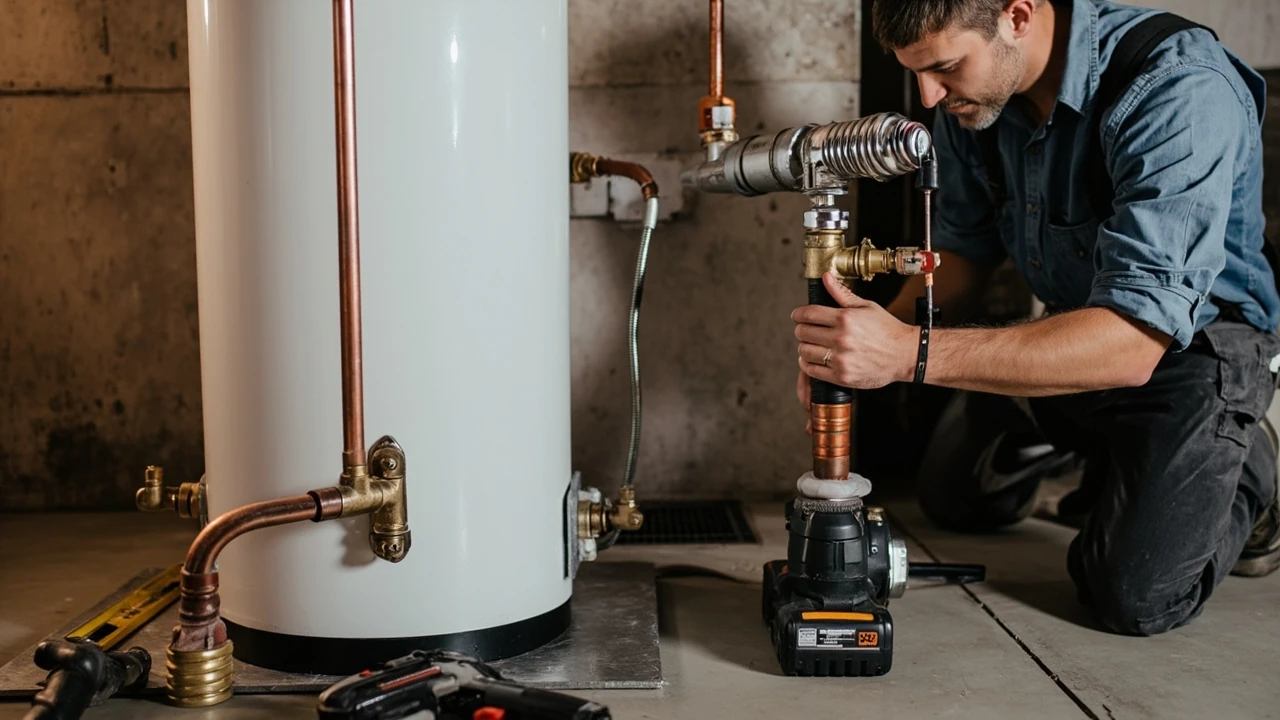
Water heater installation service: what to expect from a professional visit
A new water heater rarely arrives at a convenient moment. The old tank starts leaking on a Saturday morning, the burner refuses to relight after a power outage, or a renovation finally reaches the mechanical room. A water heater installation service is the work that takes a home from “we have hot water today” to “we will have hot water for the next decade or more,” and it covers far more than swapping one cylinder for another.
A typical visit starts with a careful look at the existing setup: fuel type, venting, water pipe sizes, electrical circuit, drain location, and the condition of the pan and floor. The installer then removes the old unit, prepares the new one, sets it in place, makes the water, fuel or electrical, venting, and condensate connections, fills the tank, purges air, lights or powers the unit, and tests every joint. The result is a working water heater that matches the home’s actual demand, not just the cheapest model on the truck.
Homeowners usually compare three things before booking: the size and type of heater, the labor scope that comes with the quoted price, and the warranty and code compliance behind the work. Each of those choices changes how the installation feels on installation day and how the system performs over the next ten to fifteen years.
When a water heater installation service is the right call
Replacement is a better use of money than repair in a few common situations. Knowing the difference saves homeowners from paying for a service call that simply delays an inevitable purchase.
Age and condition signals
Most storage water heaters last between 8 and 12 years, and tankless units tend to last 15 to 20 years with regular flushing. Once a tank is past the ten-year mark, the anode rod is usually spent, sediment has built up, and the risk of a slow leak rises every season. A rusty puddle under the tank, water that smells metallic, popping noises during the heat cycle, or visible corrosion around the fittings are signs that a water heater installation service is overdue.
Sudden loss of hot water can also be a symptom rather than a single fault. A failed heating element in an electric tank, a cracked heat exchanger in a gas unit, or a saturated combustion chamber can all mimic a small problem until the tank is opened up. A licensed installer can tell within minutes whether a repair makes sense or whether the unit has reached the end of its useful life.
Capacity no longer matches the household
Families change, and hot water demand shifts with them. A 40-gallon tank that comfortably served two adults may run cold every morning once teenagers start showering back to back. Adding a bathroom, installing a soaking tub, or finishing a basement apartment can push an undersized tank over its limit. A water heater installation service can right-size the system, whether that means stepping up to a 50 gallon tank, moving to a tankless unit, or adding a point of use heater at a distant bathroom.
Fuel type or efficiency upgrade
Switching fuel types is a major reason to schedule a professional visit. Moving from an electric resistance tank to a natural gas tank, from a gas tank to a heat pump water heater, or from any combustion appliance to a hybrid heat pump model all require new venting, electrical, or gas line work. Those changes are not a do-it-yourself project: they touch the home’s gas system, the electrical panel, and the local mechanical code, and each one needs permits and inspection in most jurisdictions.
Types of water heaters a service can install
The phrase “water heater” covers a wider range of equipment than most people realize. The right choice depends on the home’s fuel availability, the household’s draw pattern, the local climate, and the homeowner’s tolerance for upfront cost in exchange for lower operating bills.
| Type | Fuel or power | Typical capacity | Best fit for | Key installation considerations |
|---|---|---|---|---|
| Storage (tank) water heater | Natural gas, propane, oil, or electricity | 30 to 80 gallons for most homes | Households with predictable, steady hot water use | Floor space, pan and drain, adequate combustion air for gas models, dedicated 240 V circuit for electric models |
| Tankless (on-demand) water heater | Natural gas, propane, or electricity | Flow rate of 5 to 11 GPM depending on model | Homes with limited floor space or higher efficiency goals | Larger gas line, Category III or IV venting, condensation drain, electrical outlet, water treatment for hard water |
| Heat pump (hybrid) water heater | Electricity, with a small resistance backup | 50 to 80 gallons | Warm climate homes with basements, garages, or utility rooms | Enough clearance for airflow, a condensate drain, a 240 V circuit, and a cool location for best efficiency |
| Solar water heater | Sun, with electric or gas backup | Tank plus collector area sized to household | Homes with good southern exposure and incentives | Roof or ground mount for collectors, freeze protection, dedicated backup heater, plumbing to existing fixtures |
| Point of use water heater | Electric resistance, often 120 V | 2.5 to 6 gallons | Remote sinks, garages, additions far from the main heater | Wall framing, dedicated circuit, shutoff valve, and a nearby drain for relief discharge |
Storage water heaters remain the most common residential type, but heat pump and tankless units have grown quickly because of efficiency rebates and tighter building codes. The U.S. Energy Information Agency reports that storage units still dominate the installed base, while tankless and heat pump models together account for a rising share of new installations each year. The right answer for a specific home depends on more than efficiency ratings, though. It depends on the gas service size, the electrical panel capacity, the venting path, and the homeowner’s appetite for maintenance.
What happens during a typical water heater installation service
A well-run installation follows a clear sequence. Skipping steps in the name of speed is one of the most common sources of callbacks, leaks, and warranty disputes, so it helps to know what a thorough visit should include.
Pre-arrival and site preparation
Before the crew shows up, the homeowner can move items away from the work area, locate the main water shutoff, and clear a path to the mechanical room. Many installers will call ahead to confirm the fuel type, the existing venting, and whether a permit is needed. For replacements, the new unit is often delivered ahead of time so the crew is not waiting on a truck.
Permit requirements vary by jurisdiction, but most local codes require a permit for new water heater installations, especially when the work involves gas lines, venting, or electrical changes. The installer usually pulls the permit, schedules the rough inspection, and coordinates the final inspection with the local building department.
Removal of the old unit
For a replacement, the technician shuts off the fuel or power, closes the cold water supply, drains the tank through a hose to a floor drain or outside, disconnects the flue or exhaust, and disconnects the water lines. The old tank is then carried out, often with a hand truck, and staged for recycling. A responsible water heater installation service handles disposal of the old unit and any mercury-containing components rather than leaving them for the homeowner.
Setting the new unit and making connections
The new water heater goes onto a pan if the code requires one, sits level, and is anchored or strapped where seismic straps are mandatory. The installer connects:
- A cold water supply line with a new full-port shutoff valve.
- A hot water outlet with a dielectric union where copper meets steel.
- A temperature and pressure relief valve with a discharge pipe that terminates within a few inches of the floor.
- Gas supply with a sediment trap and a properly sized flexible connector, or an electrical whip on a dedicated 240 V circuit for electric models.
- Combustion air inlets and exhaust venting for gas units, sized to the appliance and sealed to the vent connector.
- A condensate drain for high efficiency gas, tankless, and heat pump units.
Each connection is tested under working pressure before the installer leaves. A water heater installation service that does not pressure test the system, perform a manometer test on the gas line, or verify the vent draft is cutting corners that often show up as small leaks or backdrafting within the first year.
Startup and homeowner walkthrough
For a deeper look at how heated water moves through a home and what each appliance type does, the overview of water heating on Wikipedia gives a useful frame of reference on tank, tankless, and heat pump technologies. For a sense of how water quality and treatment choices play into a new install, the practical guide to how much a water softener costs is a useful companion read before the installer arrives.
Once the tank is full and the air is purged, the installer lights the burner or powers the heating element, sets the outlet temperature, and lets the unit run through a full heat cycle. The technician then walks the homeowner through the location of the shutoffs, the recommended temperature setting, the maintenance schedule, and the warranty paperwork. A good walkthrough also includes a quick reminder of the signs of trouble to watch for in the first week, such as a small drip from a fitting, a faint gas smell near the vent, or unusual noises from the tank.
Choosing the right water heater installation service
Two quotes for the same job can differ by hundreds of dollars, and the gap usually reflects real differences in scope, quality, and accountability. The checklist below is a useful way to compare providers before signing anything.
Licensing, insurance, and code compliance
Ask whether the company holds a plumbing contractor license in the state or locality where the work is being done, and whether the installers carry their own licensing. Proof of liability insurance and workers’ compensation is also worth requesting. A water heater installation service that pulls the permit in its own name is taking responsibility for code compliance, which is exactly what a homeowner wants.
Scope of work in writing
A clear written estimate should spell out the model, capacity, fuel type, warranty terms, labor scope, and any allowances for code upgrades. Watch for vague language like “replace existing water heater” without naming the new unit, the recovery rate, or whether the quote includes new supply lines, a pan, expansion tank, or code-required seismic strapping. If the installer has to cut into drywall or upgrade the gas line, that should be in writing before the work begins.
Warranty structure
Manufacturers commonly offer a 6, 9, or 12 year tank warranty, and heat pump water heaters often come with longer parts coverage. The labor warranty is a separate document from the manufacturer warranty, and it varies much more between installers. A one-year labor warranty is common; anything shorter is a warning sign. The fine print about online warranty registration and required maintenance should be reviewed before the installer leaves, since a missed step can void a tank warranty.
Local references and reviews
Look for reviews that mention specific technicians, not just “great service.” Recurring complaints about no-shows, unmarked vehicles, or surprise add-ons are a strong reason to keep shopping. Because plumbing and water heater work is licensed at the state level in most U.S. jurisdictions, a contractor’s license number can be verified through the state licensing board before any work begins.
Costs and pricing factors to plan for
Water heater installation service pricing is driven by three big variables: the equipment itself, the complexity of the connections, and the local labor market. The numbers below reflect typical U.S. ranges and are useful for budgeting, not for quoting a specific job.
| Cost component | Typical range | What drives the price |
|---|---|---|
| Standard 40 to 50 gallon gas storage water heater, including installation | About $1,400 to $3,200 | Brand, warranty length, venting condition, code upgrades |
| Standard 40 to 50 gallon electric storage water heater, including installation | About $1,100 to $2,800 | Electrical condition, pan and drain, expansion tank |
| Tankless gas water heater, including installation | About $3,000 to $6,000 | Gas line upsizing, vent routing, condensate management, water treatment |
| Heat pump (hybrid) water heater, including installation | About $2,500 to $5,000 | Electrical circuit, condensate drain, location for airflow |
| Permit and inspection fees | About $50 to $300 | Local fee schedule, scope of work |
| Code upgrade items (expansion tank, pan, seismic straps, new gas valve) | About $50 to $400 combined | Local code requirements, age of existing components |
Federal, state, and utility rebates can shift those numbers significantly. The federal Energy Efficient Home Improvement Credit, state energy offices, and local utilities all run programs that apply to qualifying water heaters, and a reputable installer will know which ones are currently active in the area. According to the U.S. Department of Energy, heat pump water heaters can use 60 to 70 percent less energy than standard electric resistance tanks, which is the engine behind most of the rebate programs aimed at these models.
Safety and code items that belong in the scope
A water heater installation service that takes code seriously will not skip the items below. They are the kinds of details that do not show up in marketing copy but matter the first time something goes wrong.
- Expansion tank on closed systems, sized to the water heater capacity and the supply pressure.
- Temperature and pressure relief valve with a discharge pipe that terminates within 6 inches of the floor and is visible.
- Pan with a drain for installations in or above living space.
- Sediment trap on gas lines where required by the appliance manufacturer.
- Seismic strapping on the upper and lower third of the tank in jurisdictions that require it.
- Combustion air openings that meet the appliance’s requirements and have not been sealed off by finished basement walls.
- Carbon monoxide alarm within the home, even if one was not present before.
Each item has a reason behind it. The expansion tank protects plumbing from thermal expansion when a backflow preventer is present. The relief discharge pipe keeps a failed T&P valve from scalding someone in a closet. The sediment trap keeps debris out of the gas valve. The seismic straps keep an 80 gallon tank from tipping during an earthquake. None of them are optional under most codes, and a good installer will not need to be asked.
Maintenance after the installation
A new water heater is not a set-and-forget appliance. A modest annual habit keeps efficiency high and protects the warranty.
Annual checks for storage tanks
Once a year, a partial drain of a few gallons clears sediment from the bottom of the tank, and a quick look at the anode rod every two to three years tells the homeowner how much protective metal is left. The T&P valve should be lifted briefly to confirm it moves freely. The burner or elements should be inspected for scale or soot, and any combustion analysis on gas models should be logged if the installer offers it.
Annual service for tankless units
Tankless water heaters need a vinegar flush through the heat exchanger once a year in most water conditions, and more often in homes with hard water. The inlet water filter should be cleaned at the same time. Skipping this step is the single most common reason for “my tankless stopped working” calls, and it usually traces back to a heat exchanger clogged with scale.
Heat pump water heater care
Heat pump units benefit from a clean air filter, a clear space around the unit, and a working condensate drain. Some models have a mode that automatically runs a higher temperature cycle to fight Legionella, and that mode should be left on according to the manufacturer’s instructions. The anodes and magnesium rods in hybrid tanks follow the same timeline as conventional tanks.
Common questions to ask the installer before signing
The quote meeting is the right time to nail down a few practical details. The list below covers what most homeowners forget to ask until it is too late.
- Is the quote all-inclusive, including permit fees, code upgrades, and haul-away of the old unit?
- What is the labor warranty, and what is excluded?
- Will the new unit be registered with the manufacturer, and who is responsible if it is not?
- What temperature will the tank be set to out of the box, and is that in line with scald prevention guidance?
- Is the gas line, electrical circuit, or vent sized for the new equipment, or will upsizing add to the price?
- How is after-hours or weekend emergency support handled if the unit leaks on day two?
- Are there any rebates or incentives I should apply for, and will the installer file the paperwork?
Each answer tells the homeowner how the company runs. A water heater installation service that answers clearly in writing is one that tends to do the same kind of work on installation day.
Frequently asked questions
How long does a water heater installation service take from start to finish?
A straightforward like-for-like replacement usually takes two to four hours on site, including draining and removal of the old tank, setting the new unit, making connections, and running through the startup checks. A first-time install in a location that has never had a water heater takes longer because the crew has to run new water lines, gas or electrical, and venting. The same is true for fuel conversions, where a permit and inspection may add a day to the schedule.
Do I need a permit for a new water heater?
Most U.S. jurisdictions require a permit for any new water heater installation or replacement, and many require a final inspection. Permits are usually pulled by the licensed installer rather than the homeowner, and the cost is included in the quote. Working without a permit can void a manufacturer’s warranty and create problems when the home is sold, so it is worth confirming the permit before the work starts.
What size water heater does my home need?
Sizing depends on the household’s peak hour demand, the fuel type, and the recovery rate of the unit. A family of four that showers in the morning and runs laundry at the same time usually needs at least a 50 gallon gas tank or a 40 gallon electric tank, while a busy household with a soaking tub may need a 75 gallon tank or a properly sized tankless unit. The installer can run a sizing calculation based on the number of bathrooms, the number of occupants, and any large fixtures.
Is a tankless water heater always better than a tank?
Not always. Tankless units deliver endless hot water and waste less energy in standby, but they cost more up front, often require a larger gas line, and need annual descaling in hard water areas. A tank water heater is a better fit for homes with steady, moderate demand, limited gas service, or a tight budget. A heat pump water heater is often the strongest middle ground on operating cost in climates with mild basements or utility rooms.
How long will a new water heater last?
Storage water heaters typically last 8 to 12 years, while tankless units commonly reach 15 to 20 years with regular maintenance. Heat pump water heaters tend to fall in between, with a tank life close to a conventional storage unit and a compressor that can last well beyond it. Water quality, installation quality, and maintenance habits are the biggest variables. Hard water, high usage, and neglected anode rods can all shorten a tank’s life.
Can a homeowner install a water heater themselves?
In some jurisdictions, a homeowner can pull an owner-builder permit and do the work on their own home, but the practical reality is that gas, electrical, and venting work all carry real safety risk. Most manufacturers also require installation by a licensed professional to keep the warranty valid. A water heater installation service brings the right fittings, the right test equipment, and the right permits, and that combination is hard to match without the same training.
What temperature should the water heater be set to?
Most manufacturers recommend a setting of 120 degrees Fahrenheit for typical household use, which balances comfort, scald risk, and energy use. Homes with immunocompromised occupants may be advised to store water at 140 degrees and use a mixing valve to deliver a safer temperature at the tap. Any setting above 120 should come with a plan for scald protection at fixtures, especially in homes with young children or older adults.
Will a water heater installation service haul away the old unit?
Most reputable companies include haul-away in the scope of work, and many recycle the old tank rather than sending it to a landfill. The metals in a storage water heater, including the steel jacket and the copper or aluminum internals, are valuable enough that scrap recyclers will often pick them up for free. It is worth confirming haul-away in writing before the work starts so the old unit is not left on the driveway.
What if the new water heater leaks within the first week?
A small drip from a fitting is sometimes the result of a connection that needs a final tighten, and a good installer will return to address it at no charge. A larger leak can be a manufacturing defect covered by the tank warranty. The labor warranty from the installer typically covers workmanship for a year, and the manufacturer warranty covers the tank itself for 6 to 12 years depending on the model. Keep the installer’s paperwork and the model and serial numbers in a folder so the warranty claim goes smoothly if it is ever needed.
Are there any efficiency upgrades worth doing at the same time?
If the home is already opening up the mechanical room for a water heater, it is a good time to add pipe insulation on the first six feet of hot and cold lines near the tank, install a hot water recirculation pump if the home has a long wait for hot water at remote fixtures, or set up a drain pan with a leak sensor that can shut off the water. None of these are required, but each one is much cheaper to add during the install than as a stand-alone project later.
Leave a Reply